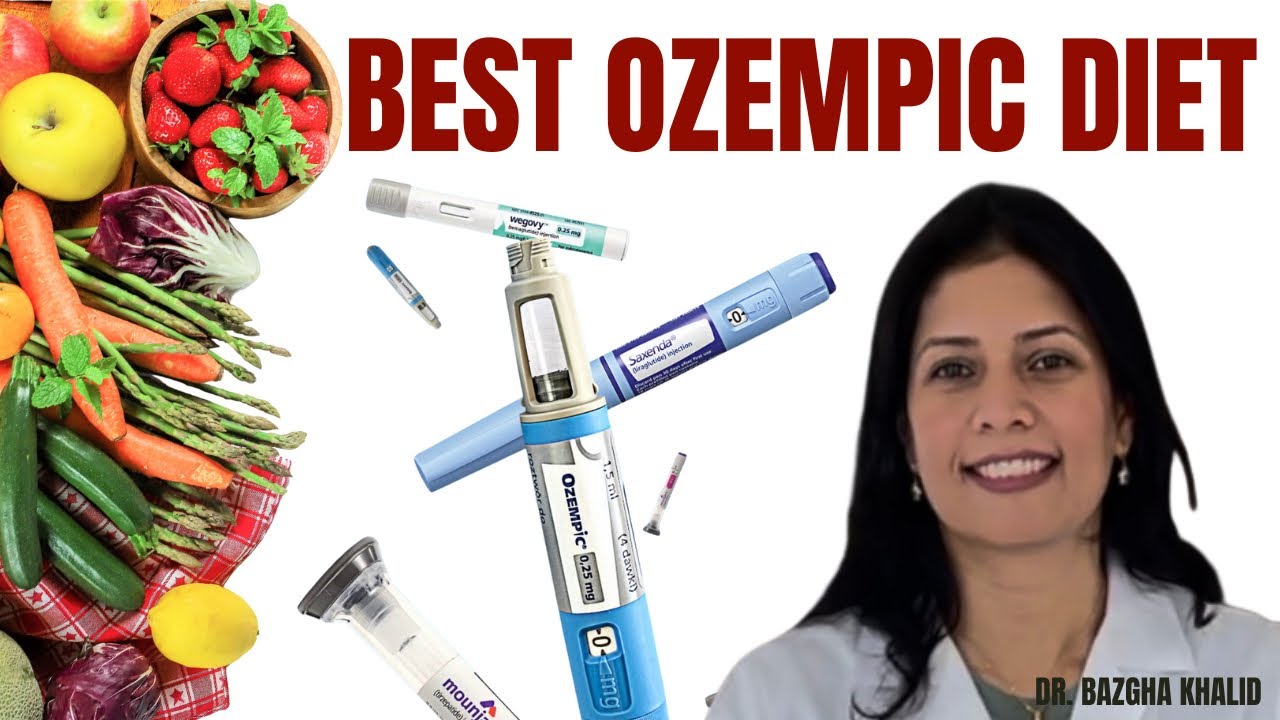
The drug helps you eat less. That part is biochemistry. But what you eat in those smaller meals determines whether you lose fat or muscle, whether your gut cooperates or rebels, and whether your metabolism stays intact or crashes.
Dr. Bazgha Khalid prescribes Ozempic, Wegovy, Mounjaro and Zepbound all day in her obesity medicine practice. She has watched patients drop 15 percent of their body weight in clinical trials like the STEP-1 study published in the New England Journal of Medicine. She has also watched them lose muscle, battle nausea and stall out because they treated the medication like permission to eat less of the same foods that got them there.
What follows are the 10 foods she tells patients to prioritize, not because they are trendy, but because they work with the way semaglutide and tirzepatide slow digestion, suppress appetite and change how your body uses energy.
1. Protein: chicken, fish, beef, Greek yogurt, tofu, eggs
This is the one macronutrient you cannot afford to undereat on a GLP-1. The medication suppresses your appetite so effectively that many patients eat too little protein without realizing it, and muscle is the first thing the body burns when calories drop and protein is scarce.
Dr. Khalid's target: one gram of protein per pound of goal body weight daily. If your goal weight is 150 pounds, that is 150 grams of protein. Studies in the Journal of Nutrition in 2020 show that higher protein diets preserve lean muscle during calorie restriction.
Spread it across the day. Your body uses protein better that way. Grilled chicken with vegetables, Greek yogurt with chia seeds, scrambled eggs with spinach, beef stir fry. Not all in one sitting.
Protein is your best friend while on GLP-1 medications.Bazgha Khalid, MD
2. Oily fish: salmon, sardines, mackerel
Fatty fish delivers omega-3 fatty acids, EPA and DHA, which reduce inflammation and support heart health. A 2019 study in Nutrients found that omega-3 may improve insulin sensitivity, which matters when your body is relearning how to handle sugar and fat.
Two to three servings weekly, grilled or baked. If you hate fish, algae-based omega-3 supplements work.
3. Fiber-rich vegetables: broccoli, spinach, kale, cauliflower, zucchini
GLP-1 medications slow digestion, which is how they keep you full. It also means your gut can get sluggish. Fiber keeps things moving and balances blood sugar.
Aim for 25 to 30 grams of fiber daily. Fiber also feeds your gut microbiome, which can enhance natural GLP-1 production. Steam, roast or stir fry with olive oil.
4. Fermented foods: Greek yogurt, kefir, kimchi, sauerkraut
GLP-1 medications change how your gut feels. Fermented foods replenish good bacteria and reduce bloating. A study in Frontiers in Nutrition in 2020 found that probiotics can improve GLP-1 secretion and gut-brain communication.
A few spoonfuls of kefir or sauerkraut daily is enough. A little goes a long way.
5. Healthy fats: avocado, olive oil, nuts, seeds
Monounsaturated fats help you feel full longer and stabilize hormones. Avocados, almonds and olive oil are full of antioxidants. The PREDIMED study in the New England Journal of Medicine in 2013 showed that a Mediterranean diet rich in these fats reduces cardiovascular risk by 30 percent.
Portion control matters. A small handful of nuts or one teaspoon of olive oil per meal is plenty.
6. Lentils and beans
High in plant-based protein and fiber, with a low glycemic index that keeps blood sugar stable. A study in the American Journal of Clinical Nutrition in 2012 found that legumes improve weight control and reduce LDL cholesterol.
Use them in soups, stews or salads. They are inexpensive and filling.
7. Berries: blueberries, strawberries, raspberries
Lower in sugar than most fruits, packed with antioxidants and polyphenols that protect against oxidative stress and inflammation, both linked to obesity and metabolic disease.
Harvard School of Public Health found that higher berry intake was associated with better long-term weight maintenance. Add them to Greek yogurt or smoothies.
8. Cottage cheese and skyr
High protein, low carbohydrate, and they contain casein protein, which digests slowly and helps you stay full.
Choose low sodium, plain versions. Add cinnamon or berries for flavor.
9. Eggs
Rich in protein, B vitamins and choline for liver and brain health. A 2018 study in Nutrition Research found that participants who ate eggs for breakfast lost more weight than those who had bagels because eggs improved satiety and reduced calorie intake later in the day.
Omelets, boiled, scrambled. Versatile and packed with nutrition.
10. Hydrating foods: cucumber, soups, herbal teas
GLP-1 medications can cause nausea and dehydration. Water is your best fluid, but water-rich foods keep you hydrated naturally and support digestion.
Soups with vegetables and broth, or herbal teas like ginger or peppermint, can ease stomach discomfort too.
Four myths Dr. Khalid hears in her practice
Myth: you can eat whatever you want on a GLP-1 and still lose weight. Fact: the medication helps you eat less, but quality matters for metabolism and muscle health.
Myth: carbohydrates are bad. Fact: smart carbs like lentils, oats and fruits provide fiber and nutrients.
Myth: protein will bulk you up. Fact: protein preserves lean muscle. It does not make you bulky.
Myth: fat-free diets are healthier. Fact: your body needs healthy fats for hormones and satiety.
When to avoid GLP-1 medications or talk to your doctor first
Avoid or discuss with your doctor if you have a personal or family history of MEN2, a cluster of tumors involving thyroid, parathyroid and adrenals, or medullary thyroid cancer.
Also avoid if you have a history of severe gastroparesis or stomach paralysis, pancreatitis or pancreatic inflammation, gallbladder disease, or if you are pregnant or planning to get pregnant.
Questions Dr. Khalid says to ask your doctor
What is my protein and calorie goal while on a GLP-1? How often should I check labs like hemoglobin A1C, lipid panel or vitamin levels? Can I combine intermittent fasting or exercise with the medication safely?
What should I do if I experience nausea or constipation? How long should I stay on the medication for sustainable results?
GLP-1 medications are powerful tools, but they work best when your nutrition works with them. Focus on real, high-protein, fiber-rich foods that nourish your body and preserve muscle. Stay hydrated, eat mindfully.
These are not quick fixes. They are tools for transformation. And transformation requires more than a prescription.
Questions people ask
How much protein should I eat on Ozempic or Wegovy?
Aim for one gram of protein per pound of goal body weight daily. If your goal weight is 150 pounds, that is 150 grams of protein spread throughout the day. Higher protein diets help preserve lean muscle during calorie restriction.
What foods help with nausea on GLP-1 medications?
Hydrating foods like cucumber, vegetable soups and herbal teas such as ginger or peppermint can ease stomach discomfort. Fermented foods like kefir, Greek yogurt and sauerkraut also help reduce bloating and support gut health.
Can I eat carbs on Mounjaro or Zepbound?
Yes. Smart carbohydrates like lentils, oats, berries and fiber-rich vegetables provide nutrients and support stable blood sugar. The key is choosing low glycemic, fiber-rich carbs rather than avoiding them entirely.
Dr. Bazgha Khalid is a board-certified internal medicine and obesity medicine specialist who prescribes GLP-1 medications for type 2 diabetes and chronic weight management in her clinical practice. 1,173,304 views on the original video.
Watch the original on YouTube →